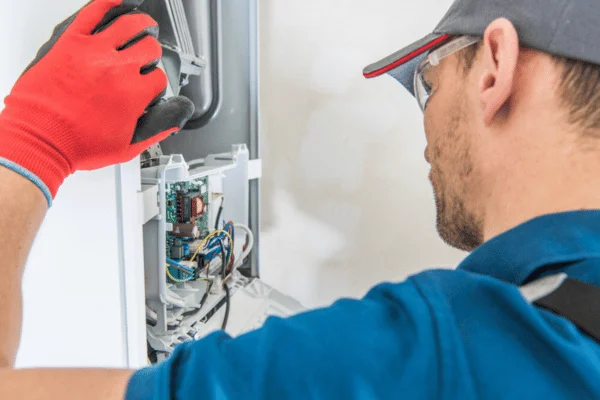
A furnace doesn’t run in complete silence, but it also shouldn’t demand your attention every time it turns on. If your furnace is making noise—especially rattling, banging, buzzing, or squealing—it’s usually a sign that something isn’t operating as smoothly as it should. These sounds often start small but can become more noticeable as components wear or systems become unbalanced.
The key is knowing which sounds are normal and which ones deserve attention. Below, we’ll walk through the most common furnace noises, what they typically indicate, and when it makes sense to bring in a professional to take a closer look.
Is It Normal for a Furnace to Make Noise?
Yes, some sounds are typical. A gentle hum, a brief click when the system starts, or airflow moving through the vents usually isn’t cause for concern. These sounds tend to be consistent and short-lived.
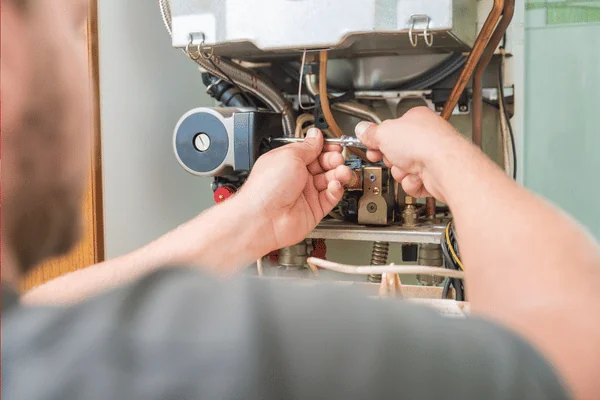
What’s not normal is when a furnace that’s making noise suddenly becomes louder, changes pitch, or does so repeatedly. New or escalating sounds are often the first indication that a component is loose, worn, or under strain.
When Furnace Noises Become a Warning Sign
Pay closer attention if you notice:
- A persistent rattling noise.
- A buzzing sound that continues during operation.
- Banging or thumping when the system starts or stops.
- High-pitched squealing or screeching.
These noises don’t always indicate major failure, but they do suggest the system should be checked before the issue worsens.
Furnace Rattling Noise: What It Usually Means
A rattling sound is often associated with loose components. Panels, screws, duct connections, or internal parts can vibrate as air moves through the system. While rattling may seem harmless at first, ongoing vibration can lead to faster wear and reduced efficiency.
Addressing a rattling noise early can help prevent additional stress on other components and keep the system running more smoothly.
Why Rattling Shouldn’t Be Ignored
If left unaddressed, rattling can:
- Develop into a louder, furnace-banging noise.
- Cause parts to shift or wear unevenly.
- Reduce airflow efficiency and increase energy use.
What begins as a slight noise can gradually affect the system’s overall performance.
Furnace Buzzing Sound: Electrical or Mechanical Issues
A buzzing sound often points to electrical or mechanical strain. Unlike a brief startup hum, if this sound lingers, it may indicate that specific components are working harder than they should.
Buzzing is one of those sounds that doesn’t always stop on its own, and it’s best addressed before it causes a system interruption.
When a Buzzing Furnace Needs Immediate Attention
Buzzing may be associated with:
- Electrical components under stress.
- Internal parts are nearing the end of their lifespan.
- Reduced efficiency during heating cycles.
Because electrical issues can affect reliability and safety, buzzing sounds should be taken seriously, even if the heat output appears normal.
Furnace Banging Noise: A Sign of Bigger Issues
Banging noises are often more disruptive and can occur during startup or shutdown. This noise may be due to airflow issues, ignition timing problems, or components shifting within the unit.
While the furnace may still be producing heat, banging suggests the system isn’t operating as smoothly or safely as it should.
Why Banging Noises Deserve Prompt Attention
Banging sounds can indicate:
- Delayed ignition that stresses internal components.
- Airflow issues that cause pressure changes.
- Internal parts are moving abruptly during operation.
Addressing these noises early helps protect the system and maintain consistent, reliable heat.
Furnace Squealing or Screeching Sounds Explained
High-pitched squealing or screeching usually comes from moving parts. As systems age and run more frequently during colder months, wear becomes more noticeable.
When a furnace squeals, it often indicates that components are experiencing increased friction, which can reduce efficiency over time.
Common Contributing Factors for Squealing
- Worn or misaligned blower belts.
- Aging bearings.
- Lack of lubrication.
- Airflow obstructions.
Addressing these issues promptly through professional evaluation helps keep your furnace operating smoothly and extend its useful life.
How Squealing Affects Furnace Performance
Persistent squealing can:
- Increase energy consumption.
- Place added stress on motors and moving parts.
- Lead to more extensive mechanical issues if ignored.
When to Call for Professional Furnace Repair in Albuquerque
Any time your furnace is making new or disruptive noise, a professional evaluation is a smart next step. Local technicians understand Albuquerque’s seasonal temperature shifts, heating demand, and standard system configurations in the area.
Signs It’s Time to Call a Professional
Even if your furnace is still heating your home, watch for:
- Persistent or worsening rattling, buzzing, banging, or squealing.
- Uneven heating or airflow.
- Frequent cycling or irregular startup/shutdown patterns.
Early evaluation can prevent minor problems from becoming costly repairs and ensure consistent performance throughout the season.
Why Local Expertise Matters for Furnace Repairs
Choosing furnace repair means working with professionals who understand:
- Regional climate conditions and heating cycles.
- Local safety codes and system requirements.
- How dry air and temperature swings affect furnace components.
Professional service helps ensure the issue is addressed correctly and prevents repeat problems.
Restore Quiet, Reliable Heat Before Problems Get Worse
Is your furnace making noise? Learn what rattling, buzzing, banging, or squealing sounds mean and when to call for furnace repair in Albuquerque.
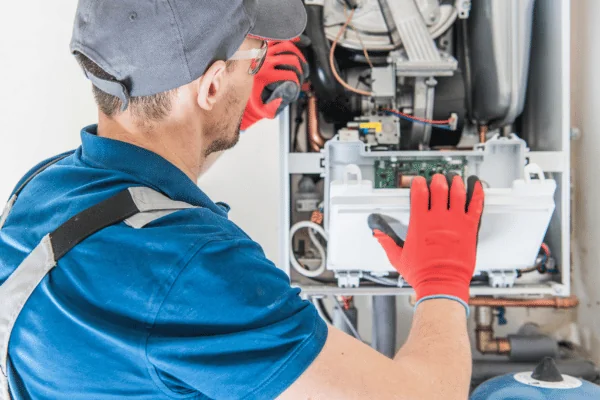
Unusual furnace noises don’t just happen for no reason; they’re usually your system’s way of asking for a bit of attention. Catching them early can prevent bigger problems, keep your energy bills in check, and make sure your home stays cozy all season long
Frequently Asked Questions
Occasional sounds—especially during startup or shutdown—can be normal. Furnaces naturally expand and contract, and they move air as they operate. However, if the noise becomes more frequent, louder, or changes in character over time, it’s worth paying attention. A sound that appears once and never returns is usually less concerning than one that becomes part of the daily cycle. Consistency and change are often more critical than volume alone.
Yes, they can. Many noises are associated with airflow issues, loose components, or parts operating harder than intended. Over time, this additional strain can reduce efficiency, cause uneven heating, and cause the system to cycle more frequently. Even if your home still feels warm, a noisy furnace may be using more energy than necessary to operate.
Not always. Some noises point to minor wear or alignment issues rather than immediate safety concerns. That said, banging or persistent buzzing can sometimes be early indicators of issues that affect reliability or safe operation. Having a professional evaluate the system helps clarify what’s normal, what needs monitoring, and what should be addressed sooner.
Furnace noises often feel louder at night simply because the home is quieter. Temperature changes during overnight hours can also affect ductwork and system components, making expansion or airflow sounds more noticeable. This doesn’t automatically mean there’s a problem, but it can make existing issues easier to hear.
Yes, routine inspections help catch loose panels, worn components, and airflow restrictions before they create noticeable sounds. Maintenance also helps ensure parts are correctly aligned and operating smoothly. Homeowners who schedule regular service often notice quieter operation and more consistent comfort throughout the heating season.
If a noise is new, persistent, or getting worse, it’s best not to wait too long. Early evaluation can prevent minor issues from turning into more costly repairs and help ensure the system remains reliable during colder weather. When in doubt, having the system checked provides peace of mind and protects long-term performance.