Indoor air quality plays a much bigger role in your home than many homeowners realize. Because we spend most of our time indoors, the air circulating through our living spaces affects daily comfort, energy efficiency, and the performance of your HVAC system. When air quality declines, the effects often show up quietly—dust buildup, stale air, uneven temperatures, or increased system strain—rather than obvious warning signs.
In Albuquerque, dry conditions, seasonal HVAC use, and airborne dust can further complicate quality. Understanding air quality at home, what causes problems, and how to improve it can help homeowners make smart, practical decisions for a healthier and more enjoyable space.
What Is Indoor Air Quality and Why It Matters
Air quality refers to the condition of the air inside your home and its impact on comfort, cleanliness, and system performance. Good indoor air quality means the air is filtered correctly, well circulated, and free of excessive pollutants. Poor quality occurs when contaminants build up faster than they’re removed.

Unlike outdoor air, indoor air is constantly recirculated through your HVAC system. Without adequate filtration and ventilation, pollutants can linger, spreading through every room. Over time, this can affect how your home feels and how efficiently your heating and cooling equipment operates.
Maintaining healthy air quality helps support:
- Consistent indoor comfort.
- Cleaner living spaces.
- Better airflow and temperature control.
- Reduced strain on HVAC components.
Why Indoor Air Is Often Worse Than Outdoor Air
It’s easy to assume indoor air is cleaner than outdoor air, but that’s not always the case. In fact, indoor air pollution can be more concentrated because contaminants become trapped inside enclosed spaces.
Common contributors include:
- Household cleaning products.
- Dust and pet dander.
- Building materials and furnishings.
- Outdoor pollutants tracked indoors.
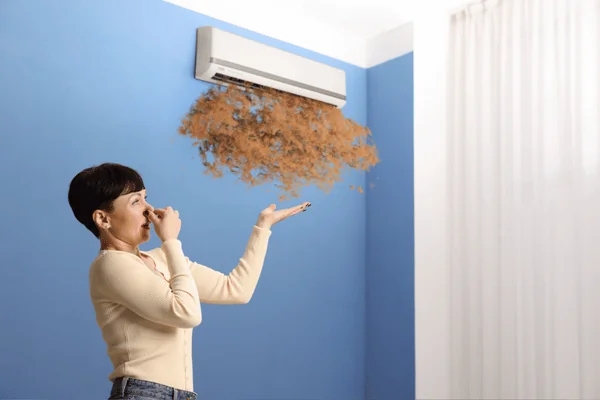
Without proper ventilation, these pollutants accumulate, degrading overall indoor air quality. Over time, this buildup can make rooms feel stuffy, dusty, or uncomfortable—even when your HVAC system is running regularly.
Common Sources of Indoor Air Pollution in Homes
Air pollution comes from many everyday sources that homeowners often overlook. Dust is a common issue, especially in dry regions such as Albuquerque. Fine particles easily enter through doors, windows, and ductwork, then circulate throughout the home.
Other common sources of poor indoor air quality in the home include:
- Pollen and outdoor allergens.
- Mold spores from moisture-prone areas.
- Cooking byproducts.
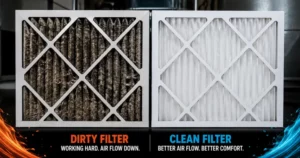
- HVAC systems with dirty filters or ductwork.
Identifying these sources is the first step toward improving overall indoor air conditions and maintaining a cleaner indoor environment.
How Albuquerque’s Climate Impacts Your home’s air
Albuquerque’s climate presents unique challenges for air quality. Dry air keeps dust and fine particles airborne longer, making filtration especially important. Seasonal temperature changes also mean HVAC systems cycle frequently, which can circulate pollutants if filters and vents aren’t properly maintained.
Low humidity can contribute to:
- Increased airborne dust.
- Dry, uncomfortable indoor air.
- Greater strain on HVAC systems.
Because homes are tightly sealed for energy efficiency, professional ventilation and filtration solutions often deliver the most consistent long-term improvements in indoor air quality in this region.
Poor Indoor Air Quality Symptoms Homeowners Shouldn’t Ignore
Poor air quality symptoms often develop gradually and may be mistaken for everyday discomfort. While these signs aren’t medical diagnoses, they can indicate that your home’s air isn’t being properly filtered or circulated.
Common signs include:
- Excessive dust buildup.
- Stale or musty odors.
- Uneven temperatures between rooms.
- Increased HVAC run times.
When these issues persist, they often indicate air pollution, restricted airflow, or aging HVAC components that require professional evaluation.
When Symptoms Point to a Bigger Air Quality Problem
Occasional dust or discomfort is normal, but ongoing issues usually indicate a broader air quality concern. For example, dust returning quickly after cleaning, or rooms feeling stuffy despite adequate airflow, may indicate problems in the ductwork or filtration systems.
Ignoring these signs can lead to:
- Reduced HVAC efficiency.
- Higher energy usage.
- Shortened equipment lifespan.
Addressing air quality early helps prevent larger system issues while improving everyday comfort throughout the home.
How to Improve Indoor Air Quality in Your Home
Improving quality starts with consistent maintenance and smart upgrades. Simple steps like replacing HVAC filters regularly and keeping vents clean can make a noticeable difference. However, these measures often work best when paired with professional solutions designed for whole-home performance.
Effective ways to improve air quality include:
- Proper ventilation to refresh indoor air.
- Sealed ductwork to reduce contamination.
- High-quality filtration systems.
- Routine HVAC inspections.
Each home is different, which is why a customized approach delivers better long-term results.
The Role of Home Air Filtration Systems
Air filtration systems play a critical role in capturing dust, allergens, and airborne particles before they circulate through your living spaces. Advanced filtration options go beyond standard filters, helping reduce indoor air pollution more effectively.
Benefits of professional-grade filtration include:
- Cleaner indoor air throughout the home.
- Reduced dust accumulation.
- Improved HVAC airflow.
- More consistent comfort.
Routine service and filter replacement are essential to ensure these systems continue working efficiently over time.
When Professional Help Is the Best Solution
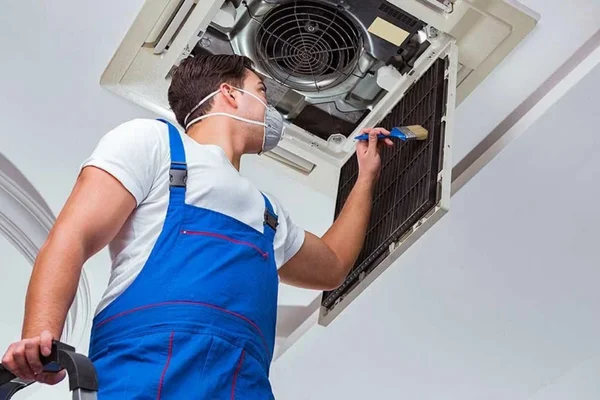
While homeowners can handle basic maintenance, professional HVAC support is the most reliable way to improve air quality over the long term. Trained technicians can evaluate airflow, inspect duct systems, and recommend solutions that align with your home’s layout and usage patterns.
Professional services may include:
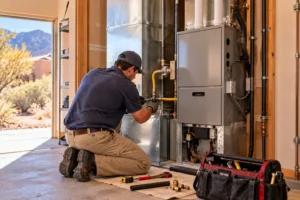
- HVAC system inspections.
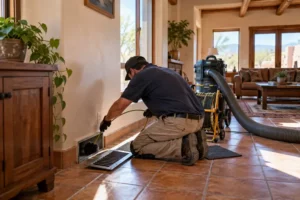
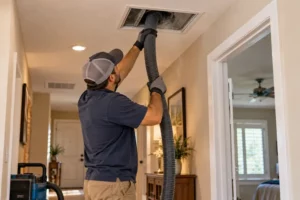
- Vent and duct cleaning.
- Filtration system upgrades.
- Ventilation improvements.
These services help address the root causes of quality issues rather than just temporary symptoms.
How HVAC Professionals Improve Indoor Quality Air Safely
HVAC professionals use specialized tools and training to assess indoor air quality without disrupting your home. Instead of guessing, they identify specific sources of air pollution and recommend solutions that improve performance while ensuring safety and effectiveness.
This approach supports:
- Better system efficiency.
- More balanced airflow.
- Cleaner indoor environments.
- Long-term comfort improvements.
For Albuquerque homeowners dealing with dust, dry air, and seasonal HVAC demands, professional guidance often provides the most consistent results.
Breathe Easier With the Right Indoor Air Quality Solutions
Improving air quality isn’t about quick fixes—it’s about creating a healthier, more efficient home environment over time. Clean air improves comfort, protects HVAC equipment, and helps your home operate as intended throughout the year.
By understanding air pollution, recognizing symptoms of poor indoor air quality, and choosing effective solutions, you can make informed decisions that improve your comfort and the efficiency of your space.
Talk to a local HVAC expert about your air quality, and take the first step toward cleaner, healthier indoor air in your home! Call Beyond Heating and Cooling today to get help addressing the poor air inside your home!
Frequently Asked Questions
1. How often should I check my home’s air quality?
Most homeowners benefit from reviewing their air quality at least seasonally, especially before peak heating or cooling periods. Seasonal changes can affect airflow, dust levels, and system performance. If your home feels noticeably stuffy, dusty, or uncomfortable, checking air quality sooner can help identify simple adjustments or maintenance needs.
2. What are common signs of poor whole-home air quality?
Poor air quality symptoms often include excessive dust buildup, lingering odors, dry air discomfort, and uneven temperatures throughout the home. These signs don’t necessarily indicate a serious problem, but they can point to ventilation issues or inefficient filtration that may benefit from professional evaluation.
3. Can indoor plants significantly improve air quality in a home?
Indoor plants can contribute to a more pleasant environment, but they typically don’t provide enough filtration to improve air quality on their own. While plants may help in small ways, proper ventilation, filtration, and HVAC maintenance have a much greater impact on indoor quality air.
4. Is home air quality connected to HVAC efficiency?
Yes, poor air quality can cause HVAC systems to work harder as dust and debris restrict airflow. Clean air and proper filtration help systems run more efficiently, supporting consistent comfort and reducing unnecessary strain on components over time.
5. What’s the most effective way to improve indoor air quality long-term?
The most reliable long-term improvements usually come from professional HVAC inspections, vent cleaning, and home air filtration solutions. These services address the root causes of indoor air pollution rather than merely masking symptoms, helping homeowners maintain better air quality year-round.