
A properly working furnace is the heart of a comfortable home during the colder months. It should ignite smoothly, run consistently, and shut off only when the thermostat signals it’s time. When everything is functioning as it should, you can trust your furnace to keep your space warm without hassle.
But if your furnace won’t stay lit or your furnace won’t stay on, it can quickly become more than an inconvenience. Cold air blowing from your vents, repeated shutdowns, or a furnace flame that keeps going out are all signs that your system is in trouble. Addressing these issues quickly is essential, not just for comfort but also for energy efficiency and safety.
In this guide, we break down the six most common reasons why a furnace won’t stay lit and provide clear, actionable solutions to help you troubleshoot the problem. Let’s dive in and help you get your heating system back on track.
Why Your Furnace Shuts Off Too Soon: A Quick Overview
When your furnace won’t stay on, it’s usually your system’s way of protecting itself from damage or unsafe operation. Modern furnaces are equipped with several safety mechanisms that trigger shutdowns when something is not right. While it may seem like your unit is failing, many of these shutdowns are due to relatively common, fixable problems. Dirt buildup, sensor malfunctions, restricted airflow, or gas supply issues are often to blame. Understanding these possible causes can save you time, money, and frustration. Below, we’ll walk through each issue and explain how to troubleshoot or when to call in the pros.

Grimy Flame Sensor Can Trigger Shutdowns
When the furnace flame keeps going out, one of the first things to check is the flame sensor. This small but crucial component plays a big role in your system’s safety.
Purpose of the Flame Sensor
The flame sensor’s job is to confirm that the burner’s flame is active once the gas valve opens. If the sensor doesn’t detect a flame, it signals the control board to shut off the gas, preventing leaks. This is a key safety feature to avoid dangerous situations.
How Dirt Gets in the Way
Over time, the flame sensor can become coated with soot, dust, or corrosion. Even a thin layer of buildup can block the sensor from correctly detecting the flame, causing the furnace flame to keep going out repeatedly. This buildup interrupts the sensor’s signal, leading to unnecessary shutdowns.
What You Can Do
Gently clean it with fine steel wool or emery cloth. If cleaning doesn’t work or the sensor appears damaged, furnace replacement may be necessary. Always consult your furnace manual or an HVAC professional if you’re unsure.
Pilot Light Keeps Going Out? Here’s Why
If your furnace is an older model, the issue may not be the flame sensor but the pilot light itself. A pilot light that refuses to stay on is a frequent cause of furnace trouble in aging units.
Troubles Specific to Older Units
Older furnaces use a standing pilot light as their ignition source. If the pilot light goes out, the burners can’t ignite. Unlike newer models with electronic ignitions, these units rely on a steady, visible flame to operate.
Root Causes
Common reasons the pilot light won’t stay lit include drafts blowing out the flame, a dirty or clogged pilot orifice, or a malfunctioning thermocouple (the device that senses whether the pilot light is on). If the thermocouple fails, it shuts off the gas supply as a safety measure.
DIY Tips
First, check for drafts around the pilot area. Clean the pilot orifice if it’s dirty. If the issue persists, the thermocouple may need to be adjusted or replaced. If you’re not comfortable handling these repairs, it’s best to call a licensed HVAC technician for assistance.
Thermocouple or Safety Sensor May Be Tripping
Another reason your furnace won’t stay lit could be a faulty thermocouple or safety sensor. These components play a critical role in regulating gas flow and ensuring safe operation.

What This Component Does
The thermocouple or flame rollout switch acts as a safety guard, shutting off the gas supply if no flame is detected or if the furnace overheats. It prevents dangerous gas buildup and helps avoid fire hazards by closely monitoring the system’s condition.
Warning Signs
If your furnace won’t stay on and frequently shuts down right after startup, a faulty thermocouple could be the culprit. You may also notice inconsistent heating or see the pilot light go out shortly after being lit.
Recommended Fix
Inspect the thermocouple for damage or poor alignment with the pilot flame. In many cases, repositioning or replacing the thermocouple resolves the issue. However, safety sensors can be tricky. If you’re unsure, it’s wise to let an HVAC professional handle the repair.
Air Filters Can Choke Your System
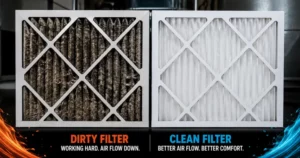
It might surprise you, but one of the most common reasons is simply due to a clogged or neglected air filter. When the filter is packed with dust, pet hair, and other debris, it restricts airflow through the system. This restricted airflow makes it harder for your furnace to circulate warm air efficiently, which can lead to overheating.
Why Poor Airflow Matters
Your furnace depends on steady airflow to function correctly. When airflow is blocked, heat builds up inside the system because there’s not enough circulation to disperse it. This overheating trips the system’s high-limit switch, a safety feature designed to shut off the furnace before internal components become damaged.
What to Check
If your furnace won’t stay lit or the flame keeps going out, the air filter is one of the first things to inspect. Pull out the filter and hold it up to a light source, if you can’t easily see the light passing through it, it’s too dirty and needs to be replaced. Check both the filter’s condition and that it’s seated correctly in its housing.
Prevention
Staying on top of filter maintenance is one of the simplest and most effective ways to keep your heating system running smoothly. As a general rule, check your filter at least once a month during peak heating season and replace it every 1 to 3 months, depending on your home environment and the manufacturer’s recommendations.
Gas Flow Issues Can Disrupt Ignition
Furnaces need a steady, uninterrupted flow of gas, whether natural gas or propane, to ignite the burners and maintain operation. When that flow is compromised, the burners may either fail to ignite at all or shut off shortly after starting. This disruption directly impacts your furnace’s ability to stay on consistently. In many cases, homeowners assume there’s a major mechanical failure when, in reality, gas flow issues are at the root of the problem.
Signs You’re Low on Gas or Experiencing Flow Problems
There are a few telltale signs that your furnace may not be getting the fuel it needs to operate properly. If your furnace flame keeps going out just seconds after ignition or seems weak and unstable, gas flow may be the issue. Other symptoms include inconsistent heating throughout your home, a furnace that cycles on and off without fully heating your space, or hearing the system attempt to ignite but without success.
What Might Be Happening
Several factors can interfere with proper gas flow. In the case of propane furnaces, an empty or low tank is often the simplest explanation. But gas flow issues can also result from a partially closed or blocked gas valve, damaged gas lines, or faulty regulators that fail to maintain consistent pressure. The gas valve itself could be malfunctioning, preventing the proper amount of fuel from reaching the burners.
Next Steps
First, confirm that your gas supply is active. For propane systems, check your tank level and schedule a refill if needed. For natural gas, ensure all supply valves leading to the furnace are fully open. If you’ve ruled out supply issues, it’s critical to bring in a licensed HVAC technician or gas professional to investigate further.
Control Board Glitches or Sensor Failures
In some cases, the problem isn’t mechanical, it’s electrical. The control board acts as the brain of your furnace, coordinating all its functions.
Role of the Control Module
The control board manages the startup sequence, monitors sensors, and handles safety shutdowns. If it receives faulty signals, the system may shut down even when nothing else is wrong.
What Goes Wrong
Electrical surges, aging components, or wiring issues can cause the control board or connected sensors to fail. This might lead to a furnace flame going out or prevent the furnace from staying on consistently.
How to Handle It
Resetting the system may clear minor glitches. However, if the issue persists, testing and possibly replacing the control board or sensors may be required. Leave these repairs to a qualified HVAC professional to avoid electrical hazards.
Know When to Call an HVAC Professional
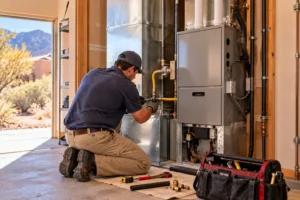
While some furnace issues are easy to troubleshoot, others require expert attention. If your furnace won’t stay on, even after basic checks like cleaning the sensors or changing the filters, it’s time to bring in a professional. Working with gas and electrical components can be dangerous without the right training. An HVAC expert can properly diagnose the problem, ensure your system is operating safely, and help you avoid further damage or costly repairs. Don’t put your comfort or safety at risk. Call the furnace installation professionals at Beyond Heating and Cooling for reliable furnace repair and maintenance services.
Final Thoughts
When your furnace won’t stay on, or the furnace flame keeps going out, it’s a frustrating situation, but not one you have to tackle alone. From dirty sensors to airflow problems or gas flow disruptions, many common issues can cause shutdowns. Understanding these causes is the first step toward solving the problem and keeping your home warm and comfortable.
If troubleshooting doesn’t resolve the issue, contact Beyond Heating and Cooling in Albuquerque, NM, for professional assistance. Our expert team is here to help you restore your furnace’s performance and ensure your home stays safe and cozy all winter long. Contact us today for fast, friendly service you can trust.