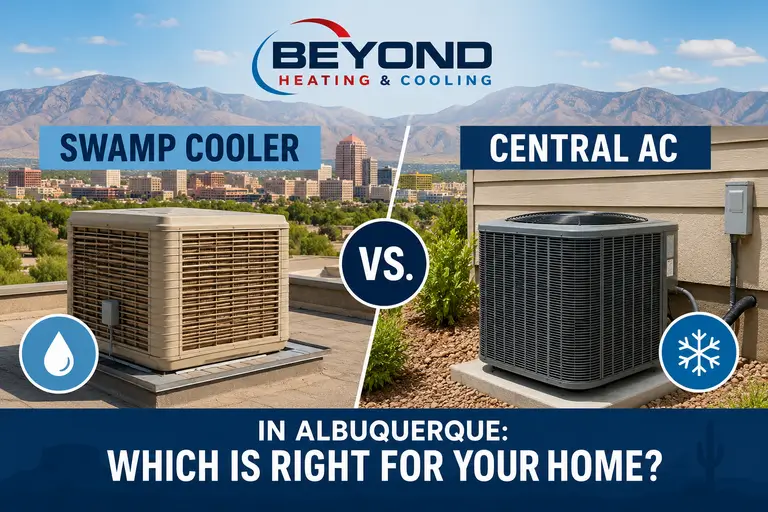
Swamp Cooler vs. Central AC in Albuquerque: Which Is Right for Your Home?
Most of the country settled this question decades ago. In Albuquerque, it’s still genuinely worth asking.
At 5,300 feet above sea level, in one of the driest cities in the lower 48, swamp coolers aren’t a relic — they actually work. For most of the year, they work well. But Albuquerque has a seasonal wrinkle that changes the calculus every July: the monsoon.
This guide walks through cost, performance, maintenance, and the specific factors that make this decision different in Albuquerque than anywhere else — altitude, hard water, and those 6–8 weeks every summer when the swamp cooler starts losing the fight. We service both systems at Beyond Heating and Cooling, so we don’t have a stake in steering you toward one or the other. Here’s what we’d tell a neighbor.
Key Takeaways
- Swamp coolers cost 50–70% less to install and use up to 75% less electricity — for roughly 8 months of the Albuquerque year
- Swamp cooler installation in Albuquerque runs $1,500–$3,800 vs. $3,800–$7,500 for central AC (Homeyou, Angi, 2026)
- The 6–8 week monsoon season is the single biggest variable in this decision, pushes humidity to 25–40%, sharply cutting swamp cooler performance
- New Mexico’s hard water shortens swamp cooler lifespan — plan for annual maintenance
- Many Albuquerque homeowners run both systems — swamp cooler for spring, mini-split for monsoon coverage
- PNM rebates of $200–$600 can offset some of the central AC cost gap
- The hybrid approach (swamp cooler + mini-split) is a legitimate, cost-effective strategy that doesn’t require choosing one or the other-
───────────────────────────────────────────────────────
How Does Each Cooling System Actually Work?
The core difference is physics. A swamp cooler — also called an evaporative cooler — draws hot outdoor air through water-soaked pads. As water evaporates, it pulls heat from the air and drops the temperature by 15–20°F when conditions are right. The catch: it adds moisture to your indoor air, so windows need to stay open to exhaust it.
Central AC works the opposite way. A refrigerant cycle extracts heat from indoor air and dumps it outside — leaving your home cooler and drier. It’s a closed system. Windows stay shut, humidity gets removed along with the heat, and it works no matter what’s happening outside.
According to the U.S. Department of Energy’s evaporative cooler guide, evaporative coolers use up to 75% less electricity than conventional air conditioning systems. In Albuquerque’s dry spring climate — June average humidity sits around 30% — that efficiency gap is real and reliable.
The problem shows up in July.
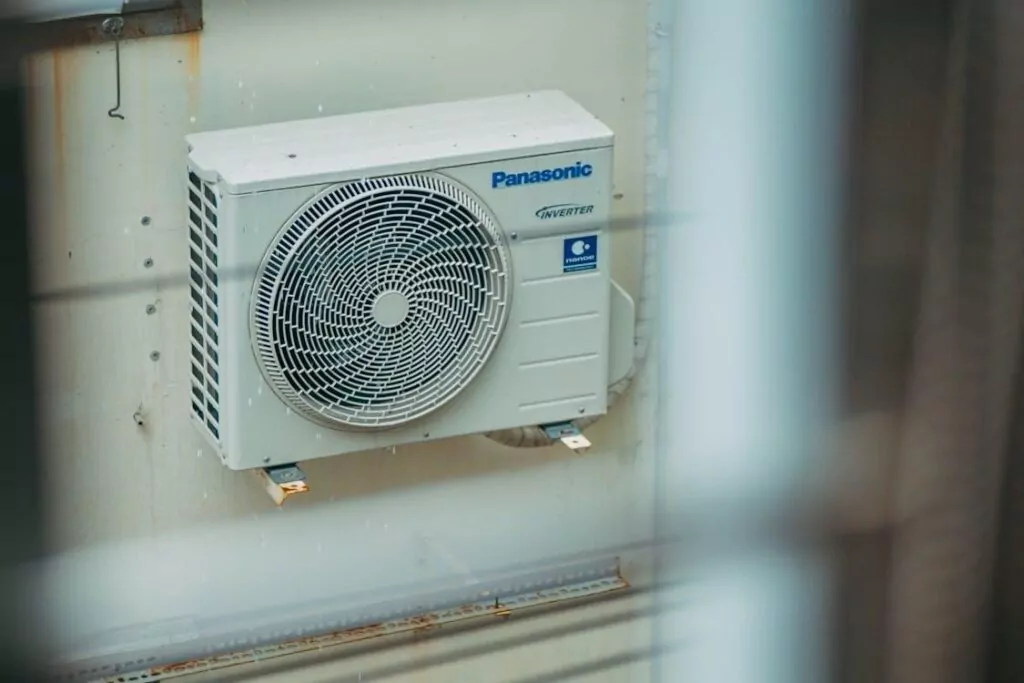
According to the U.S. Department of Energy, evaporative coolers use up to 75% less electricity than central air conditioning — a significant advantage in Albuquerque’s dry spring and early summer, when outdoor humidity typically stays below 30%. That efficiency is real, but it depends entirely on low-humidity conditions that disappear during monsoon season.
───────────────────────────────────────────────────────
How Much Does Each System Cost in Albuquerque?
Installing a swamp cooler in Albuquerque typically runs $1,500–$3,800. Central AC installation runs $3,800–$7,500, depending on system size, home layout, and whether ductwork is already in place (Homeyou, 2026; Angi, 2026). Those are market ranges — your actual number will depend on your home’s specific setup.
The operating cost gap is even wider. A swamp cooler typically runs $15–$40 per month in electricity, plus $5–$20 in water costs during peak season (PIEC, 2025). Central AC can run three to four times higher in monthly electricity during an Albuquerque summer. That difference adds up fast over a five-year window.
Water use is worth factoring in, too. A University of Arizona CLIMAS study found that a 1,500 square foot Albuquerque home using a swamp cooler consumes approximately 7,261 gallons of water per year for cooling. That’s a real line item on your ABCWUA bill — worth comparing against what you’d save on electricity.
On longevity, central AC wins. Systems typically last 12–17 years with proper maintenance, per DOE and ACCA industry standards. Swamp coolers in New Mexico tend to run 8–10 years before significant problems develop — shorter than the national average of 12–15 years, for reasons we’ll cover in the next section.
One cost factor most comparison guides skip: PNM rebates. In 2025, PNM offered $200–$600 back for qualifying central AC systems rated 16+ SEER2, and $300–$800 for air source heat pumps. Availability is subject to funding, so check before committing — but it meaningfully narrows the upfront cost gap.
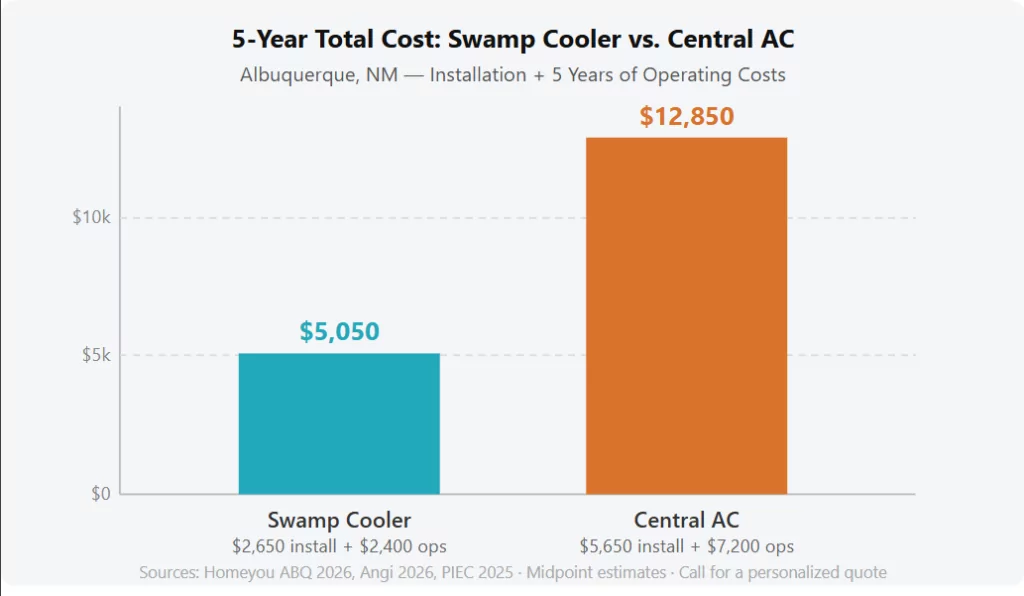
In Albuquerque, swamp cooler installation costs $1,500–$3,800 compared to $3,800–$7,500 for central AC — roughly 50–70% less upfront. But central AC’s monthly operating costs run three to four times higher over a full cooling season. PNM rebates of $200–$600 for qualifying high-efficiency systems partially close that long-term gap (PNM.com/refrigerated-air, 2025).
Beyond Heating and Cooling handles AC repair and installation across Albuquerque — call 505-569-6939 for a quote.
───────────────────────────────────────────────────────
The Monsoon Season Problem — Why Swamp Coolers Struggle Every July
Albuquerque’s monsoon season runs from mid-July through early September — typically 6–8 weeks. During that window, outdoor humidity climbs from the usual 5–15% to 25–40% or higher, according to NWS Albuquerque climate normals. That’s exactly the window when a swamp cooler loses most of its cooling power.
Why? Evaporative cooling depends on dry air. When moisture is already in the air, water evaporates more slowly off the pads — less evaporation means less cooling. Research from the University of Arizona’s CLIMAS program shows that once outdoor humidity exceeds 50%, a swamp cooler may deliver only 2–5°F of temperature drop, compared to 15–20°F in dry conditions. Even in the 25–40% range more typical of ABQ’s monsoon, you’re looking at 7–10°F instead of 15–20°F.
From our experience: Every year around the second week of July, Beyond Heating and Cooling gets a surge of calls from homeowners convinced their swamp cooler has broken down. In most cases, the system is working perfectly fine — the monsoon just arrived. The unit hasn’t changed; the air has. That’s a real and recurring frustration for homeowners who aren’t expecting it.
There’s a compounding issue. Swamp coolers require open windows — the unit pushes air in, and that air has to exhaust somewhere. On a humid monsoon day, you’re not just failing to cool the house. You’re actively pulling humid outdoor air inside. The result is a home that can feel warmer and stickier than before you turned the cooler on.
Central AC doesn’t have this problem. It’s a closed loop that removes humidity as it cools, regardless of what’s happening outside.
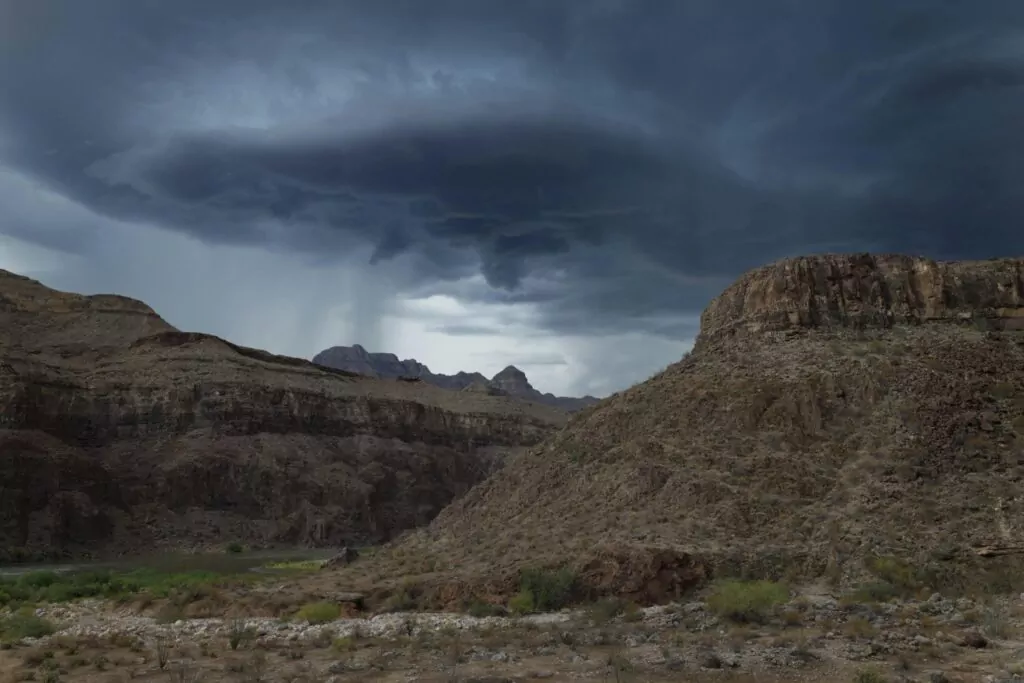
Albuquerque’s monsoon season — mid-July through early September — pushes outdoor humidity from a typical 5–15% up to 25–40% or higher (NWS Albuquerque). When humidity exceeds 50%, CLIMAS data shows swamp cooler performance drops to just 2–5°F of cooling, compared to 15–20°F in dry conditions. That’s roughly 6–8 weeks each summer when evaporative cooling can’t keep pace with the heat.
───────────────────────────────────────────────────────
What About Albuquerque’s Altitude and Hard Water?
At 5,300 feet above sea level, thinner air affects both system types — though in different ways. Central AC systems and gas furnaces may need altitude-specific calibration because lower air density means equipment moves less air per cubic foot than it would at sea level. Swamp coolers are less sensitive to altitude than refrigerated systems, which is one historical reason they’ve been so popular in higher-elevation New Mexico communities.
The hard water issue is more significant — and almost entirely ignored by comparison guides that aren’t written by people who actually service these systems here.
Approximately 95% of New Mexico homes have hard water, according to state water quality data. Hard water carries elevated levels of calcium and magnesium. When a swamp cooler evaporates water all day, those minerals don’t leave with the vapor. They stay behind — building up on the pads, in the water distribution lines, and in the pan at the bottom of the unit.
What we see in the field: Swamp coolers in New Mexico typically last 8–10 years instead of the 12–15 year national average, and mineral scaling is almost always a factor in early failures. We’ve pulled pads out of units that were essentially solid — so mineralized that water couldn’t flow through them properly. In softer-water markets, homeowners replace pads every 3–5 seasons. In Albuquerque, annual pad replacement and pan cleaning is the realistic baseline, not optional maintenance.
Central AC avoids this entirely. The refrigerant system never interacts with your water supply.
If you’re buying or keeping a swamp cooler in Albuquerque, budget for annual maintenance and pad replacement from day one. It’s not optional — it’s how you protect the investment and get a full service life out of the unit.
Beyond Heating and Cooling provides full swamp cooler service and maintenance across Albuquerque.
───────────────────────────────────────────────────────
Which System Is Right for Your Albuquerque Home?
There’s no universal right answer. It depends on your budget, your home’s existing setup, and how much those 6–8 monsoon weeks matter to your day-to-day comfort.
Here’s a practical breakdown:
A swamp cooler makes sense if you:
- Have a tight install budget and want lower upfront costs
- Don’t have existing ductwork (swamp coolers don’t need it)
- Are comfortable with seasonal maintenance — spring startup, fall winterization
- Primarily use the home during the dry spring and early summer months
- Own a rental property where lower utility bills matter to tenants
Central AC makes more sense if you:
- Want consistent, weather-proof comfort all summer regardless of the forecast
- Have allergies or respiratory conditions aggravated by outdoor dust and air
- Already have ductwork in the home
- Plan to stay in the property 15+ years and want the longer-lasting system
The hybrid approach — worth considering:
Run a swamp cooler from March through mid-July, then switch to or supplement with a ductless mini-split for the 6–8 week monsoon window. This gives you the energy savings of evaporative cooling for the majority of the season, without leaving you at the mercy of July and August humidity.
This isn’t a compromise solution. It’s a deliberate strategy that many experienced Albuquerque homeowners use. We install mini-splits specifically to cover monsoon season for clients who don’t want to convert their entire system to refrigerated air. It’s often the most cost-effective approach when you run the numbers across a full season.
One more consideration: older Albuquerque homes — particularly adobe construction — can have constraints for both systems. Limited attic access can complicate a roof-mounted swamp cooler installation. No existing ductwork adds significant cost to central AC. If you’re in an older home, have a technician assess both options before you commit.
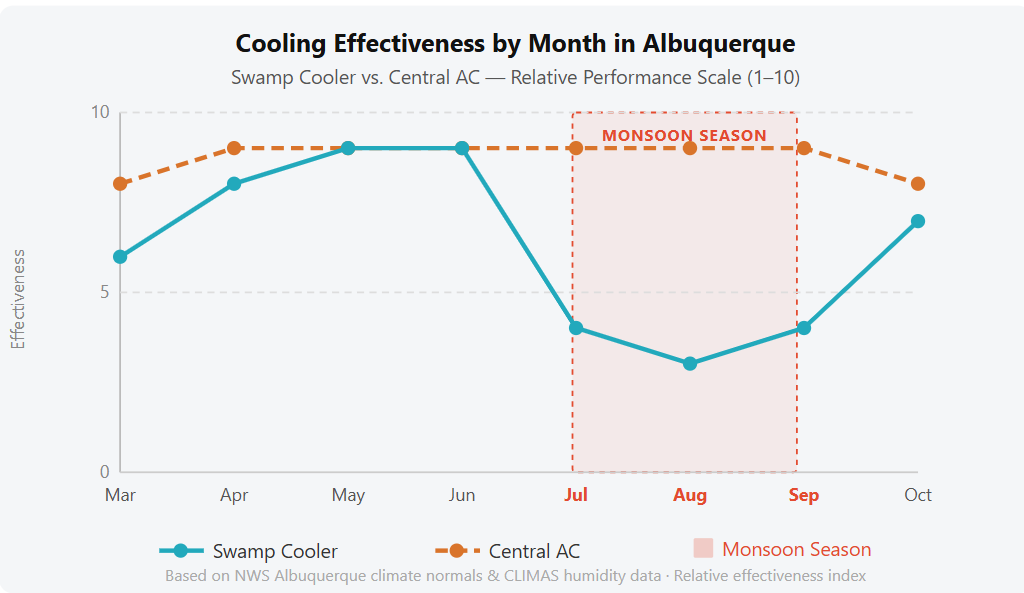
Swamp cooler performance peaks in Albuquerque’s dry spring (March–June) and drops sharply when monsoon humidity arrives in mid-July. Central AC maintains consistent effectiveness year-round.
In Albuquerque, swamp coolers deliver their best performance from March through mid-June, when outdoor humidity stays below 30%. Performance drops sharply during the 6–8 week monsoon window each mid-July through early September. Central AC holds consistent effectiveness year-round. A hybrid approach — swamp cooler for the dry season, mini-split for monsoon — is an increasingly common and cost-effective strategy among long-time local homeowners.
See our guide on How to Start Up Your Swamp Cooler in Spring: Albuquerque Checklist (7 Steps).
───────────────────────────────────────────────────────
What Maintenance Does Each System Actually Require?
Swamp coolers need active seasonal attention. Central AC needs less hands-on work from you, but it’s not maintenance-free either. Here’s the honest breakdown.
For a swamp cooler, plan for:
- Spring startup: Clean the pan, replace the pads, check the belt and motor, inspect the water distribution tubing, and reconnect the water line you shut off in fall
- Mid-season pad inspection: In Albuquerque’s hard-water conditions, pads can mineralize before the season ends — check them at least once mid-summer
- Fall winterization: Drain the unit completely, cover it, and shut off the water supply line — skipping this risks freeze damage over winter
For central AC, plan for:
- Filter changes every 1–3 months — more often during Albuquerque’s dusty summer months
- An annual professional tune-up, ideally in spring before the first hot stretch
- Coil cleaning every 2–3 years
- A licensed technician for anything involving refrigerant, compressor work, or electrical components — this isn’t a DIY area
The time investment skews toward swamp cooler owners. Many homeowners find the seasonal rhythm manageable — especially when they compare it to the higher monthly utility costs of running central AC through a full summer. Others find it frustrating, especially if they’re away from home during the startup and winterization windows.
If something goes wrong with either system — at any hour — Beyond Heating and Cooling is available 24/7 for emergency service across Albuquerque. We’re NM Licensed and Insured and have been servicing both system types in this market for 15+ years.
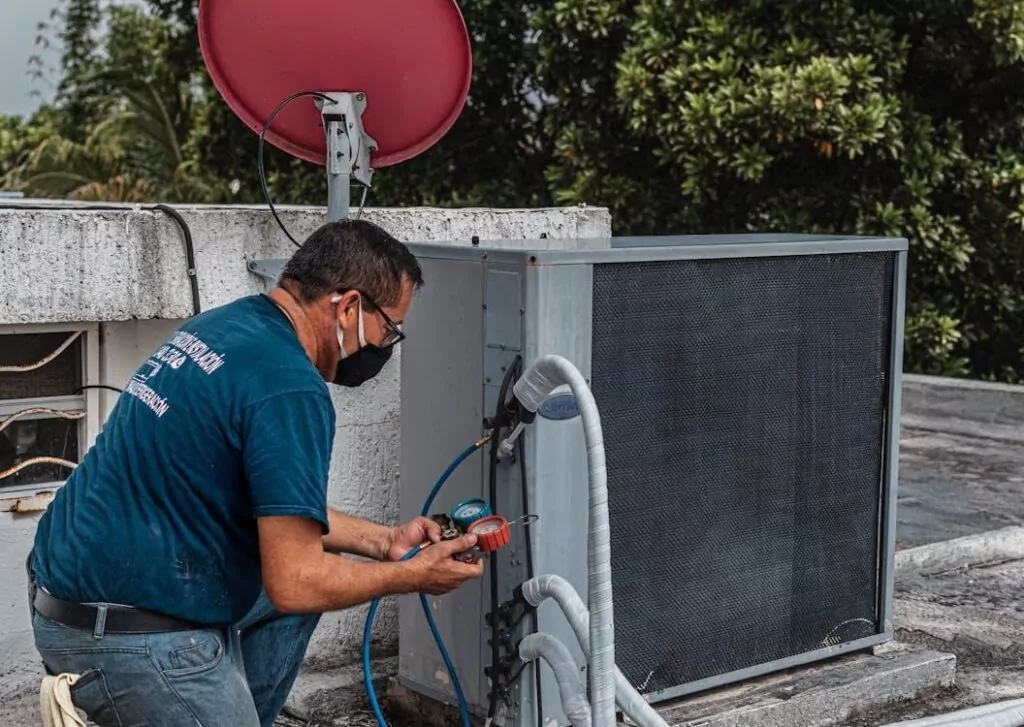
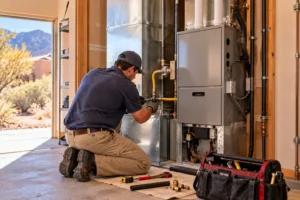
HVAC technician using a manifold gauge to service an outdoor air conditioning unit during a maintenance visit
We handle all of it — see our swamp cooler service and maintenance page for what’s included.
───────────────────────────────────────────────────────
Ready to Talk Through Your Options?
Not sure which system makes sense for your home? Beyond Heating and Cooling services both swamp coolers and central AC across Albuquerque and surrounding areas. We’ll give you an honest assessment based on your house, your budget, and how you actually live in it — not on which system has a higher ticket price.
Call us at [505-569-6939] or schedule a visit online.
───────────────────────────────────────────────────────
Frequently Asked Questions
Is a swamp cooler or central AC better for Albuquerque?
It depends on the season and your priorities. As of 2026, evaporative coolers use up to 75% less electricity than central AC (U.S. Department of Energy) and work well from March through mid-July when humidity is low. They lose effectiveness during Albuquerque’s monsoon season each mid-July through September. For year-round consistent comfort without managing a seasonal system, central AC is the more reliable choice.
How much does it cost to run a swamp cooler vs. AC in Albuquerque?
A swamp cooler typically runs $15–$40 per month in electricity plus $5–$20 in water costs during peak cooling season (PIEC, 2025). Central AC can cost three to four times more per month in electricity during an Albuquerque summer. Over five years, that gap is substantial — though central AC performs reliably during monsoon season when swamp coolers fall short.
Can I use a swamp cooler and central AC together in Albuquerque?
Yes — and it’s a practical strategy many experienced local homeowners use. Run the swamp cooler during the dry spring and early summer, then switch to a ductless mini-split or portable AC for the 6–8 week monsoon window (mid-July through early September). You capture evaporative cooling’s energy savings for the majority of the season without losing comfort when humidity spikes.
How does monsoon season affect swamp coolers in Albuquerque?
Significantly. When Albuquerque’s monsoon raises outdoor humidity to 25–40%, evaporation slows and cooling performance drops sharply. CLIMAS research from the University of Arizona shows that above 50% humidity, a swamp cooler may deliver only 2–5°F of cooling — compared to 15–20°F in dry conditions. Most Albuquerque homeowners experience this as 6–8 weeks each summer when the system simply can’t keep the house comfortable.
Do I qualify for PNM rebates if I upgrade to central AC in Albuquerque?
Possibly. In 2025, PNM offered rebates of $200–$600 for qualifying central AC systems rated 16+ SEER2, and $300–$800 for air source heat pumps, subject to available funding. A licensed contractor can verify whether your specific system and installation qualify before you commit. Beyond Heating and Cooling can walk you through the requirements — call 505-569-6939.
───────────────────────────────────────────────────────
The Bottom Line
Swamp coolers aren’t a bad choice for Albuquerque — they’re a genuinely good one for most of the year. The energy savings are real. The install costs are lower. And in the dry spring climate this city has from March through mid-July, they keep homes comfortable without the power bills central AC generates.
The honest limitation is those 6–8 weeks in July and August when the monsoon arrives and the physics stop working in your favor.
The right system depends on your budget, your home, and how much that monsoon window matters to you. If you want year-round consistency without tracking the weather forecast, central AC is worth the higher upfront cost. If you’re comfortable managing a seasonal system and want to minimize utility bills, a swamp cooler — possibly with a mini-split for monsoon coverage — is a smart decision.
Have more questions about your specific home? call Beyond Heating and Cooling at 505-569-6939.
───────────────────────────────────────────────────────
Sources
- Homeyou, Swamp Cooler Installation in Albuquerque, NM — Costs 2026, retrieved 2026-05-17, https://www.homeyou.com/nm/swamp-cooler-installation-albuquerque-costs
- Angi, How Much Does It Cost to Install a Swamp Cooler? [2026 Data], retrieved 2026-05-17, https://www.angi.com/articles/how-much-does-it-cost-install-hvac-swamp-cooler.htm
- PIEC, Swamp Cooler vs AC Cost to Run: A Guide, retrieved 2026-05-17, https://piec.com/swamp-cooler-vs-ac/
- University of Arizona CLIMAS, Water-Energy Trade-Offs Between Swamp Coolers and Air Conditioners, retrieved 2026-05-17, https://climas.arizona.edu/sites/climas.arizona.edu/files/pdfwater-energy-trade-offs-between-swamp-coolers-and-air-conditioners.pdf
- NWS Albuquerque, Climate Data, retrieved 2026-05-17, https://www.weather.gov/wrh/Climate?wfo=abq
- PNM, Refrigerated Air Conditioning Rebates, retrieved 2026-05-17, https://www.pnm.com/refrigerated-air
- DOE / ACCA, HVAC system lifespan industry standards, https://www.energy.gov