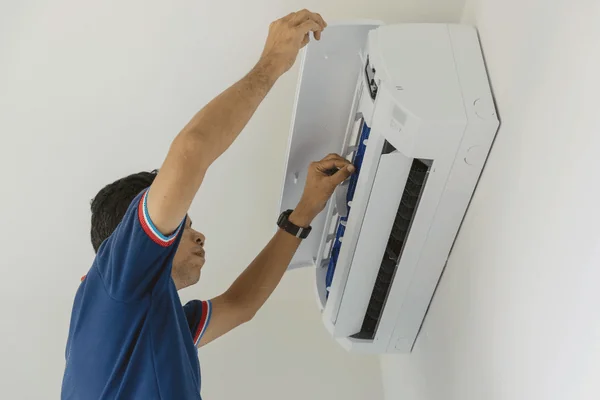
Noticing your air conditioner leaking water? It’s more than just an inconvenience, it could lead to costly damage or mold growth if ignored. While some causes are DIY-friendly, others require expert attention. Knowing when to call a professional can prevent bigger issues down the line and keep your home cool and safe during hot weather.
Is your air conditioner leaking water? Wondering, “why is my AC leaking water” or noticing your AC leaking water indoors? A common issue, an AC unit leaking water, may be caused by a clogged drain line, dirty filter, or low refrigerant. Schedule a repair to prevent further damage today!
In the meantime, here is what you need to know about when you AC leaks water:
Why is my AC leaking water? Common Causes Explained
If your AC is leaking water, it’s usually a sign of an underlying issue. Understanding the most common causes can help you identify the problem before it gets worse.
Clogged Condensate Drain Line: The Usual Suspect
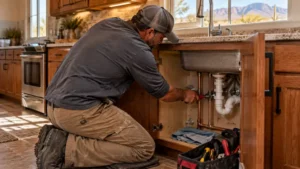
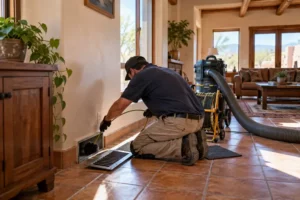
Water buildup around your unit often points to a clogged condensate drain line. Dirt, algae, or debris can block proper drainage, causing moisture to back up. You might even notice a musty smell. Clearing the line with a wet/dry vacuum may help, but if the issue continues, professional help is recommended.
Frozen Evaporator Coils: A Chilling Problem
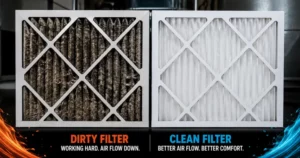
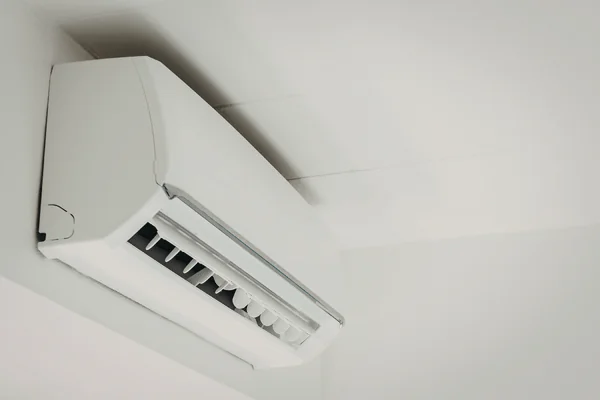
When evaporator coils freeze, excess condensation can overflow, often due to poor airflow, dirty filters, or low refrigerant. This disrupts proper residential cooling and causes leaks. Regular filter checks and airflow maintenance help prevent it. If freezing recurs, get your system inspected promptly.
Damaged or Rusted Drain Pan: Wear and Tear, Cracks
Over time, a drain pan can rust or crack, allowing water to collect and spill instead of draining properly. This wear is typical in older units. Puddles or water spots near the system may signal damage. If you notice rust or deterioration, replacing the pan quickly helps prevent further issues or system damage.
Improper Installation: Unit Not Level, Incorrect Positioning
An unlevel or poorly positioned unit can prevent proper drainage, causing an AC water leak problem. When water can’t flow correctly, it may pool inside and overflow. Units placed too close to walls or with poor runoff can exacerbate this issue. If installation concerns arise, consult a professional to ensure your system drains effectively.
DIY Solutions for Air Conditioner Leaking Water
An AC unit leaking water can be alarming, but some causes are easy to fix yourself. Consider these simple DIY solutions before deciding to hire a professional.
Immediate Steps: Power Off and Assess
When you notice water pooling around your air conditioner, take action immediately. Turn off the unit and cut power at the breaker to prevent hazards. Check for obvious issues, such as cracks, leaks, or blockages, near the unit. Clear away visible debris and note any damage. This quick assessment helps you decide if it’s a simple fix or if calling a professional is the safer choice.
Clearing a Clogged Drain Line Yourself
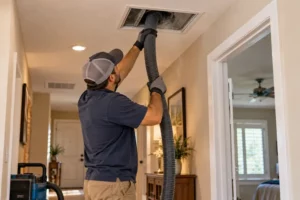
A blocked drain line is a common reason for AC leaks. Locate the line near the indoor unit and use a wet/dry vacuum to suction out debris from the outside access point. Flush it with a vinegar-water mix to break down buildup. For mold, add a touch of bleach. If the line is kinked or clogged beyond your reach, call a technician.
Addressing a Dirty Air Filter and Thawing a Frozen Coil
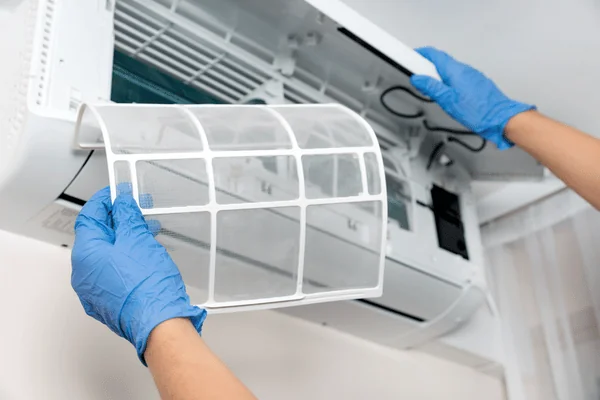
Restricted airflow from a dirty filter can cause coils to freeze and leak. Clean or replace the filter first. If you spot ice, turn off the unit, let it thaw, and gently clean the area. After it dries, restart the system and watch for leaks. If problems persist, consult a professional, especially since ongoing issues may indicate deeper system trouble and could affect your overall AC coil cleaning cost.
The Hidden Dangers of Ignoring AC Leaks
Ignoring AC leaks can lead to severe property damage and expensive repairs that you might not be prepared for. Don’t let a minor issue turn into a significant problem. Addressing leaks promptly is crucial for both your home and your health.
Property Damage and Costly Repairs
Leaking water may seem small, but the consequences can be significant. Water can seep into walls and floors, damaging insulation and posing a risk of electrical issues, such as short circuits. Left alone, it can lead to rotting wood, ruined drywall, or warped flooring. Repair costs quickly stack up, turning a minor leak into a major expense. Acting quickly to identify and fix leaks helps preserve your home’s integrity and prevents unnecessary financial headaches.
Health Risks: Mold, Mildew, and Air Quality
When moisture accumulates around your AC unit, it can foster the growth of mold and mildew, thereby harming indoor air quality. Breathing in mold spores may worsen asthma, trigger allergies, or lead to respiratory infections. These health effects develop gradually and often remain unnoticed until they become severe. Mold cleanup can be costly and time-consuming. Addressing the issue early helps avoid long-term health problems and keeps your living space cleaner, safer, and more comfortable for your household.
Preventative Care: Keeping Your AC Leak-Free
To keep your AC running efficiently and avoid leaks, preventive care is essential. Simple steps, such as regular filter changes and routine inspections, can help prevent costly issues before they arise.
The Importance of Regular Filter Changes
Replacing your air filter regularly is key to preventing airflow issues that can lead to condensation buildup and leaks. If you’ve been asking, “Why is my AC leaking water?”, a dirty or clogged filter might be the culprit.
Changing the filter every 1–3 months helps your system run efficiently, reduces strain on internal parts, and keeps indoor air clean. It’s a simple step that protects both your home and your cooling system from avoidable damage.
Annual Professional Maintenance: A Smart Investment
Maintaining your air conditioner involves more than just changing filters. Scheduling annual professional maintenance is a wise investment that can ultimately save you money. During these inspections, technicians check for potential issues, clean essential components, and guarantee your system runs efficiently. They can spot problems before they escalate, like leaks or clogs, which can lead to costly repairs and increased energy bills.
When You Should Bring in the Experts
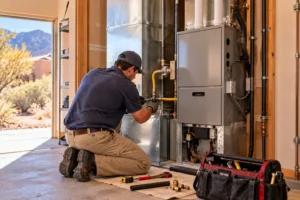
If you notice your ac leaking water and basic troubleshooting doesn’t fix the issue, it’s a good time to contact a professional. Ongoing leaks, poor cooling, or unusual noises, such as gurgling or hissing, can indicate larger problems within the system. Attempting to fix complex issues without proper tools or knowledge can lead to more damage and higher repair costs.
A licensed HVAC technician can diagnose the root cause, recommend the most suitable solution, and ensure the repair is completed correctly. This not only restores your air conditioner’s performance but also helps prevent future problems. When in doubt, it’s best to rely on expert support to keep your system operating efficiently and your home protected from water damage.
Final Thoughts About AC Leaking Water
If you notice your air conditioner leaking water, don’t ignore the problem. Even small leaks can lead to significant water damage or costly system repairs if left unresolved. Start by checking for simple issues, such as a clogged drain line or a dirty air filter.
However, if the leak continues or you’re unsure what’s causing it, it’s best to bring in a professional. Trained HVAC technicians can quickly diagnose and fix the problem, helping you avoid further damage. Timely action ensures your air conditioner runs efficiently and your home stays comfortable and protected.
Trust Beyond Heating and Cooling for fast, reliable AC leak repairs. Call now to schedule your expert service and stay cool, worry-free!
Frequently Asked Questions
1. Can a Leaking AC Unit Cause Mold Growth in My Home?
Absolutely, a leaking AC unit can create damp conditions, promoting mold growth in your home. If you notice leaks, it’s essential to address them quickly to prevent potential health issues and further damage.
2. How Can I Tell if My AC Leak Is Serious?
You can tell if your AC leak is serious by checking for excessive water pooling, unusual noises, or increased humidity. If it’s causing damage or you’re unsure, it’s best to consult a professional immediately.
3. Will My Warranty Cover Repairs for a Leaking AC?
Check your warranty details; it often covers repairs for leaks. If your AC is under warranty, you may not incur costs. Always read the fine print to guarantee you’re aware of any exclusions or conditions.
4. Can I Use My AC if It’s Leaking Water?
You shouldn’t use your AC if it’s leaking water. Continuing to run it can lead to more damage, increased repair costs, and potential mold growth. It’s best to address the issue promptly for safety and efficiency.
5. How Often Should I Have My AC Serviced to Prevent Leaks?
You should have your AC serviced at least once a year to prevent leaks. And ensure optimal performance. Regular maintenance helps catch issues early, ensuring your system runs efficiently and reducing the risk of unexpected water damage.